How Bills Become Law

Understanding what happens at the Capitol shouldn’t require a law degree. This page explains the basics so you can follow bills and see where public input has the most leverage.

Pelican writing a bill

The Bill Journey

A step-by-step view of where momentum builds, stalls, or changes.

Step 1Early awareness

Bill introduction

A legislator files a bill in either the House or Senate and it receives a bill number.

What happens

The bill is read into the record and formally enters the process.

Why it matters

This is where the policy idea becomes an official legislative vehicle.

What you can do

Read the bill early and identify whether it could affect your district.

Pro tip: Start tracking here to avoid reacting too late.

What committees do

  • Committees are the first major gatekeepers.
  • Most bills die in committee and never reach a full floor vote.
  • Hearing agendas and witnesses can tell you how serious momentum is.

What sponsorship means

  • The primary sponsor is the lead advocate for the bill.
  • Co-sponsors signal broader support, but are not guarantees of passage.
  • Tracking sponsors helps you connect bills to elected officials you can contact.

How a bill changes

  • Bills are often amended in committee or on the floor.
  • A bill can look very different at final passage than at filing.
  • Always check the latest text and recent actions before sharing.

Why status labels matter

  • `Active` means still moving and often worth engagement.
  • `Enrolled` typically means final legislative approval, pending executive action.
  • `Enacted` means it became law.

Key Legislative Terms

  • Bill

    A proposed law introduced by a legislator.

  • Sponsor

    The legislator who introduces the bill.

  • Committee

    A smaller group of legislators that reviews bills before they reach the full chamber.

  • Amendment

    A change made to a bill during the legislative process.

  • Vote

    A formal decision by legislators on whether to pass or reject a bill.

Pixelated governor illustration
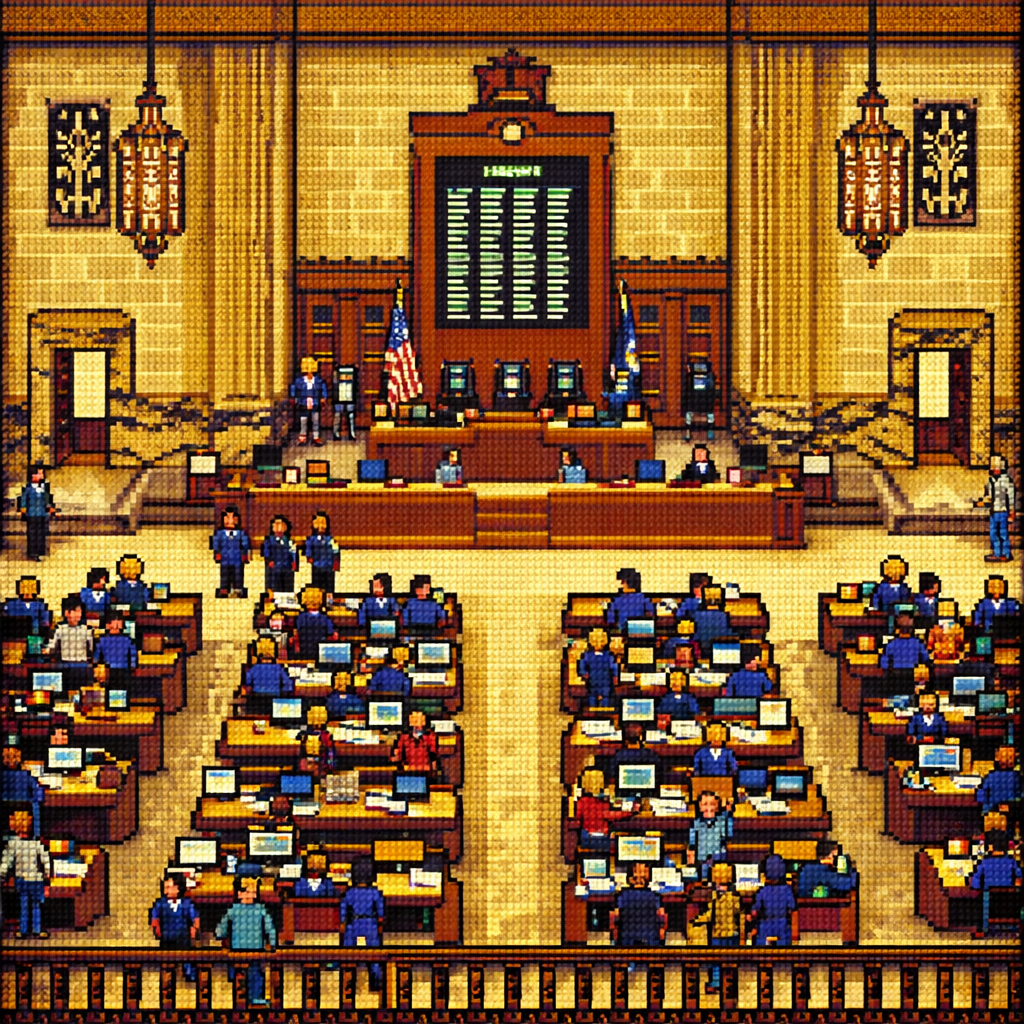
Pixelated Louisiana legislature illustration

Types of legislative sessions

  • Regular sessions

    Address a wide range of policy topics.

  • Fiscal sessions

    Focus on budget and financial issues.

  • Special sessions

    Held outside the regular calendar to address specific urgent issues.

Did you know?

Hundreds of bills are introduced in each legislative session, but many never make it out of committee.

This Week Action Checklist

  • Find your district legislators and watch their sponsored bills.
  • Follow committee calendars for issues you care about.
  • Contact members before committee hearings, not just final votes.
  • Use bill history to understand momentum, not just headlines.

Tip: start with one committee and one legislator this week. Consistent tracking beats occasional bursts.